

October Light, Fewer Moves

October arrives in the angle of light. It drops lower across stone, draws long lines on pavements, and softens interiors into relief. The change is not about slowing for its own sake. It is about moving with intention. When light clarifies a room, we respond by clarifying choices. A chair turns toward a window and becomes necessary. A table edits itself down to the few things that belong. Wardrobe settles into pieces that travel across the day without strain. Even the calendar chooses presence over volume. October shows that restraint is not scarcity. It is a form of attention. The fewer moves we make, the more each one carries. This is seasonal intelligence in practice. Light sets the score. We learn the tempo.
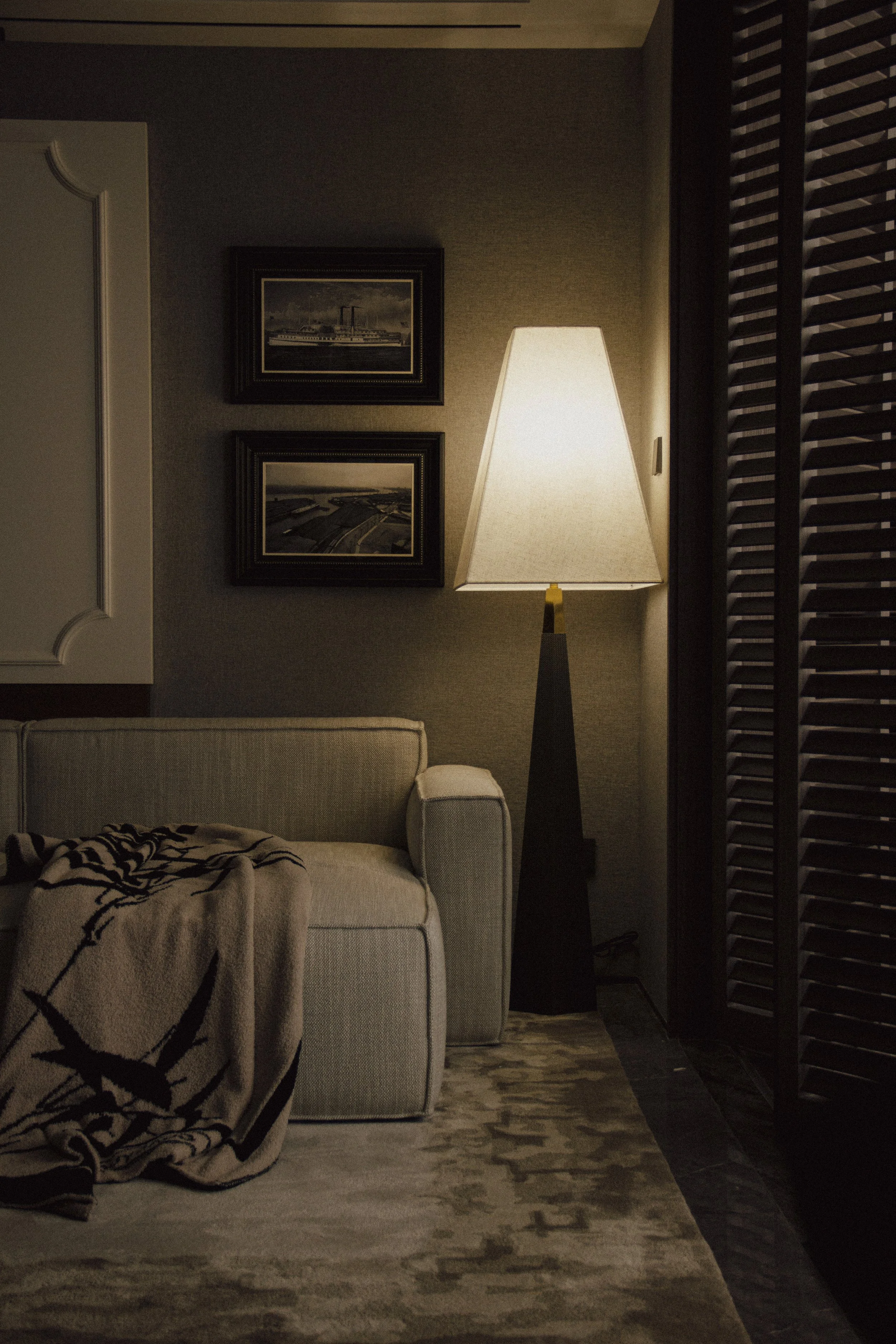
Interiors: a chair turned precisely into afternoon light
Wardrobe: a charcoal coat that works everywhere
Culture: one performance that colours the week
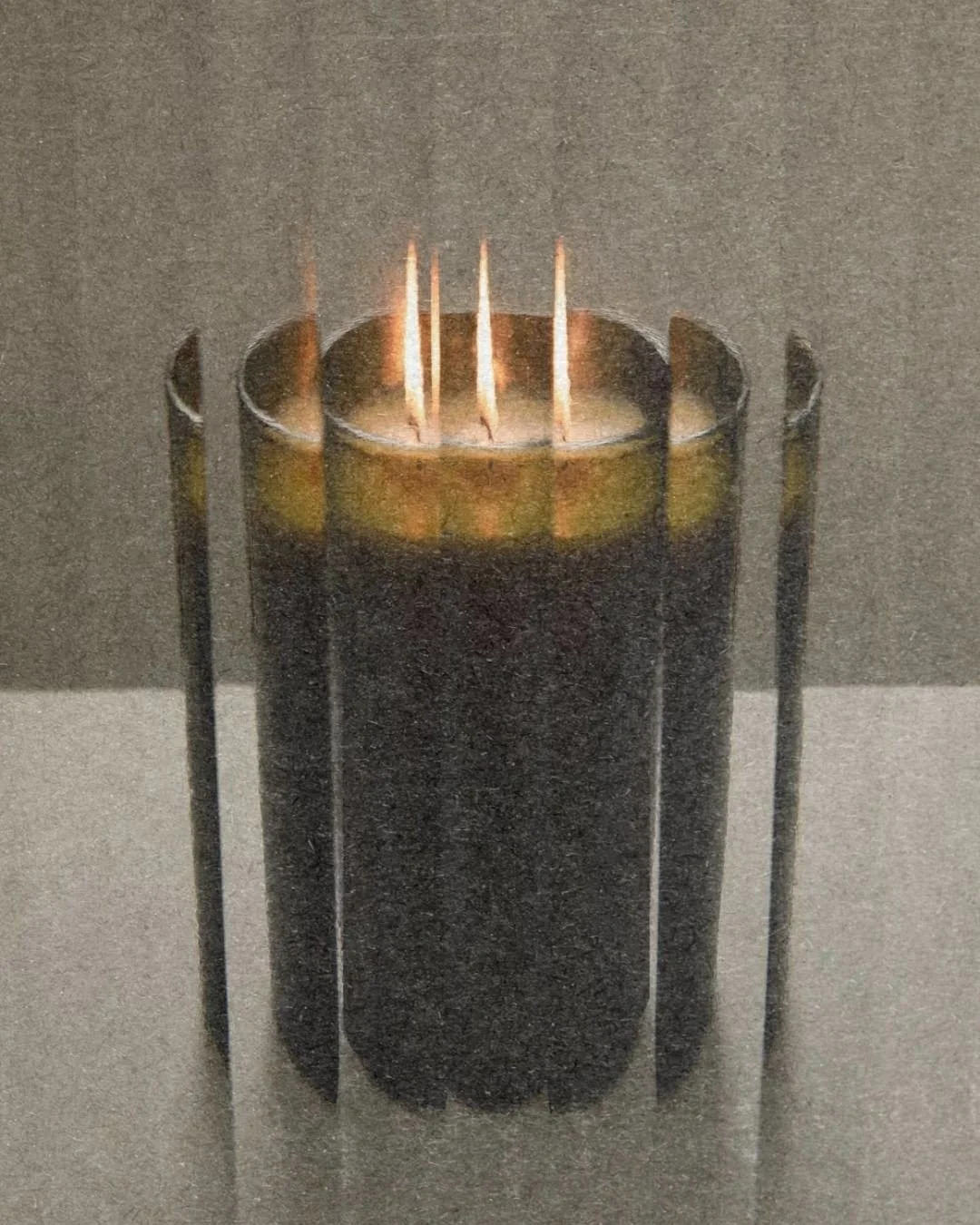
Wellness: evening rituals with wax and wood
The season begins in the angle of light that falls lower across the city and pulls edges into focus. Pavements look architectural. Interiors feel contemplative. This shift asks for attention, not pause. You notice what the light reveals and keep only what belongs in its path. A chair moves a quarter turn toward the window and suddenly becomes essential. A table clears from many to few and breathes again. October teaches an editor’s eye trained on rhythm and use. Fewer moves. More coherence. A calmer cadence arrives the moment you allow light to lead.
At home, atmosphere is drawn rather than added. Curtains meet earlier and dim the world into calm. Lamps rest low to soften corners. A beeswax candle folds a gentle resinous scent into the evening. Surfaces feel quieter because they serve one purpose at a time. The tray by the door holds keys and gloves. The side table carries a book and a cup. When the light narrows the eye wants rest. Design through subtraction becomes a form of generosity. Space opens, breath returns, and the house reads as a place made for living.
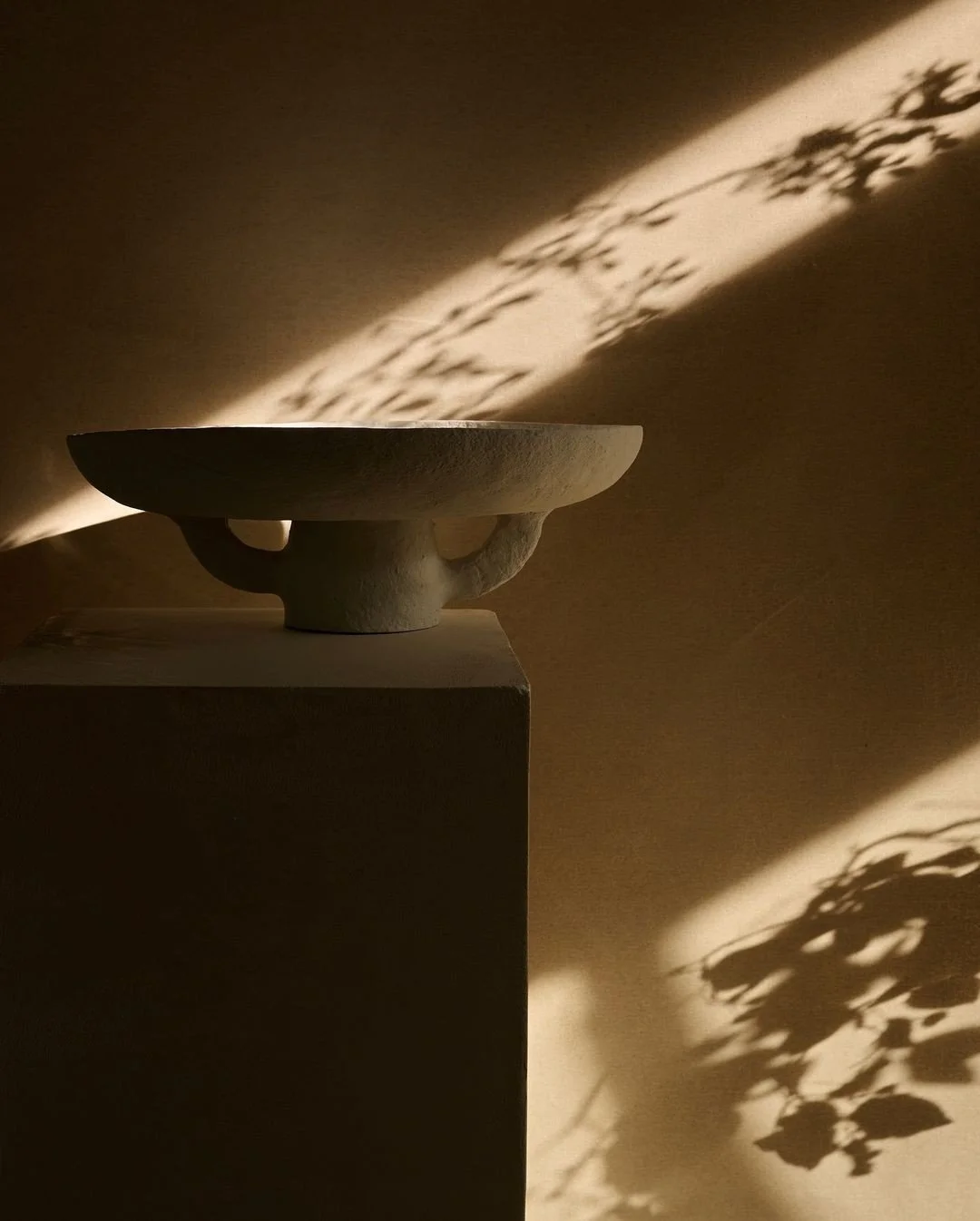
Objects do not compete for attention. They speak softly and together. A ceramic vessel gathers dusk and diffuses it across matte clay. A wool blanket waits on the arm of a chair, useful rather than staged. A glass of late flowers marks time without insistence. These choices build continuity between rooms and days. October is where objects gain weight. You touch them more and ask them to work. They answer with texture and reliability. The smallest details return to importance, like the sound of cups meeting saucers in the quiet.
Wardrobe follows the same score and finds grace in repetition. A single charcoal coat moves easily from street to gallery to supper with friends. Boots carry you across wet pavements and onto wooden floors without fuss. A wool scarf becomes warmth made thoughtful by habit. Repeating pieces across contexts teaches proportion and movement. You stand differently. You make fewer choices yet feel more yourself. October is not a hunt for novelty. It is a month that refines what already suits you and lets good fabric speak for itself.
Culture contracts into intimacy and gains presence. One chamber concert in a small hall can colour an entire week. A reading in a bookshop becomes the spine around which days arrange themselves. A matinee on a rainy afternoon feels like time regained rather than time spent. Choosing less heightens memory and deepens care. You leave with a phrase that rings in the mind and the afterglow of attention well used. In October the city feels composed. Streets grow quieter, rooms grow warmer, and the calendar sets down its pace with intent.
Wellness grows from the same ethic of intention. A bath under a shaded lamp creates a clear threshold between the outside and the night. A pot of tea replaces the habit of scrolling with the practice of steeping. Ten quiet minutes of stretching beside closed curtains releases the day without spectacle. These rituals are not expensive and not complicated. They are containers for attention. Each one says the evening has arrived and you are here to meet it. October lends itself to this cadence and rewards those who choose it.
The city’s edges become instructional if you walk and watch. Thresholds catch late light and teach framing. Doorways, rails, window sills, the rim of a cup, the line of a sleeve. The month is full of outlines that clarify what sits within them. Apply the same lesson to the digital world. Trim the feed. Guard the first hour of the day. Read one long piece instead of four fragments. The fewer moves you make, the more resonance each move holds. You compose your season with care and accept the depth that follows.
October’s promise is coherence and it arrives through practice. Homes, wardrobes, calendars, and inner climates align because you choose a tempo and keep it. Even meals simplify into forms that feel considered. Soup and good bread. Apples with sharp cheddar. A square of dark chocolate with tea. Pleasure becomes precise. A thread of beeswax smoke lifts in the last light and atmosphere feels alive. Fewer moves do not mean less life. They mean the right life, arranged with care. From simplicity the weeks gather shape and the season finds its line.
From here the practice becomes teachable. Place one object where the light falls and remove two that distract. Choose one outing that carries meaning and let it stand alone. Keep tools ready and visible, not buried. Let music meet the hour rather than the task. Allow quiet to be a setting and not a gap. You are designing for attention and for peace. Both are forms of care.

October proves that intention is a form of light.
Read this week’s City Notes for London’s autumn rhythm.