

Designing for Warmth and Assurance
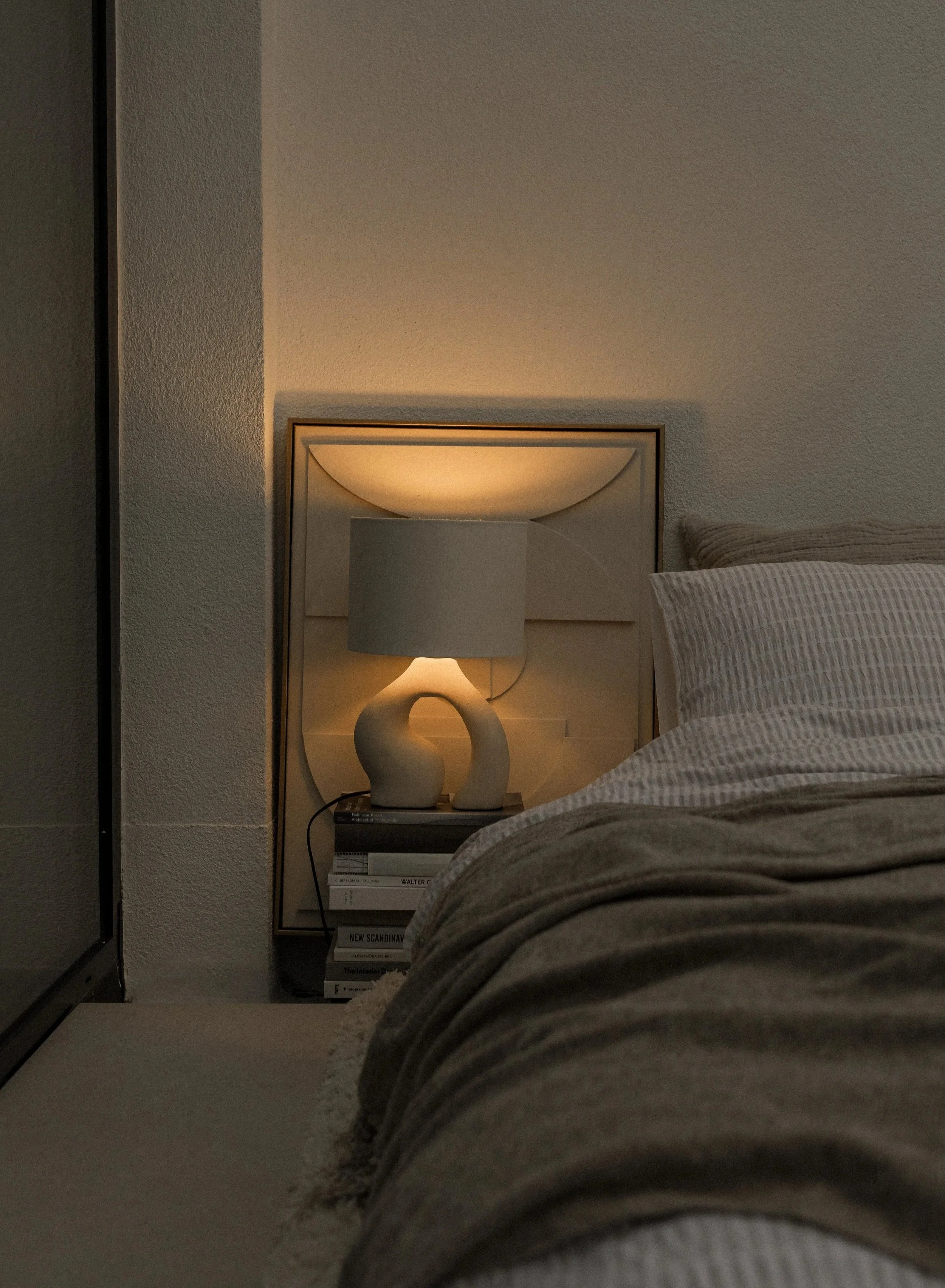
By late October, comfort becomes structural. It is created by sequence and setting, not only by plush surfaces. The way a room greets you at dusk matters. The way a coat meets weather without drama matters. Comfort that lasts is psychological. It lowers the noise of the day and tells the body that things are in order. Arrangement, texture, scent, and sound make a language that signals safety. Culture and wellness join in when we choose spaces and rituals that respect attention. This is not indulgence. It is design. A few consistent cues, repeated gently, build assurance. The season gathers around those cues and becomes liveable in a deeper way. You feel held by the world you compose.
Interiors: low lamps, open paths, surfaces set for use
Wardrobe: weather ready boots and calm layers
Culture: a softly lit gallery or small cinema night
Wellness: tea, bathing, and stretch rituals in steady order
By late October comfort transforms from a wish into a structure. It is built from light, texture, and pace. It begins in how a room greets you at dusk and how clothing meets the weather without drama. Comfort that endures is psychological. It tells the nervous system that things are in order and that the body can settle. It is not only softness. It is assurance. Rooms, routines, and choices collaborate to create the feeling of being held.
Arrangement is the first instrument. When seating faces each other, conversation enters easily. When shelves are cleared to the useful, the eye stops scanning and begins to rest. Place lamps at a level that smooths edges rather than erasing them. Keep pathways open. The room starts to say welcome in a language of lines and proximity. This is interior design as nervous system design, gentle and exact, tuned for calm.
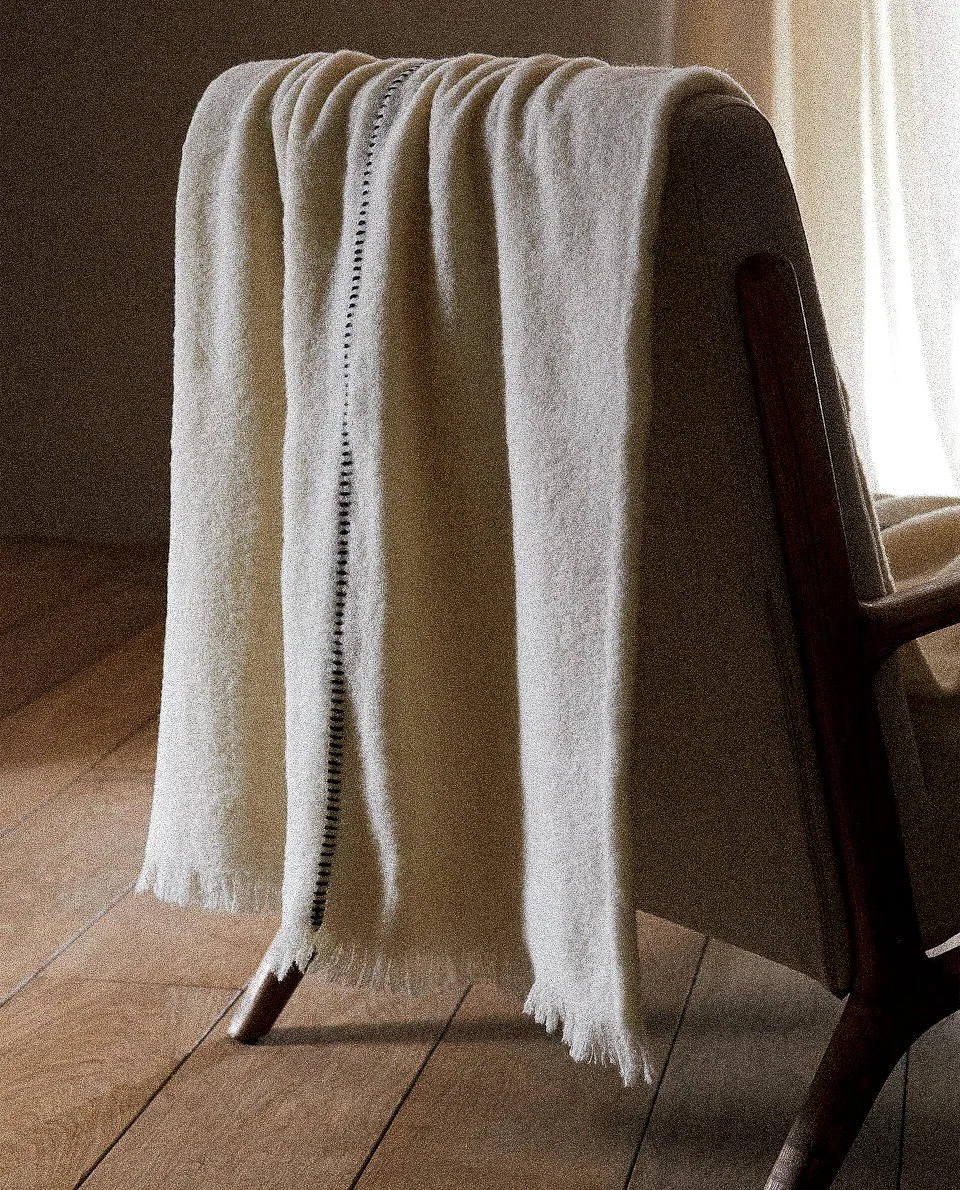
Texture deepens the message. Wool throws gathered over sofa arms. Linen layered with cotton on a bed. A rug with enough density to quiet footfall. Texture is architecture you can hold. Touch sends a signal that the room intends to take care of you. Colour works the same way in October. Muted palettes anchor the eye, and a single deep accent gives the gaze a place to land. Nothing shouts. Everything agrees to lower the volume together.
Scent and sound carry atmosphere across time. Beeswax and wood, tea and steam, pages and glue, rain on stone outside the window. These are seasonal notes that cue safety because they stay consistent. Choose one and keep it steady through the month so the body recognises it on arrival. A quiet playlist that leans toward warm timbre collects the room into itself. Comfort grows when the senses receive similar messages from different directions.
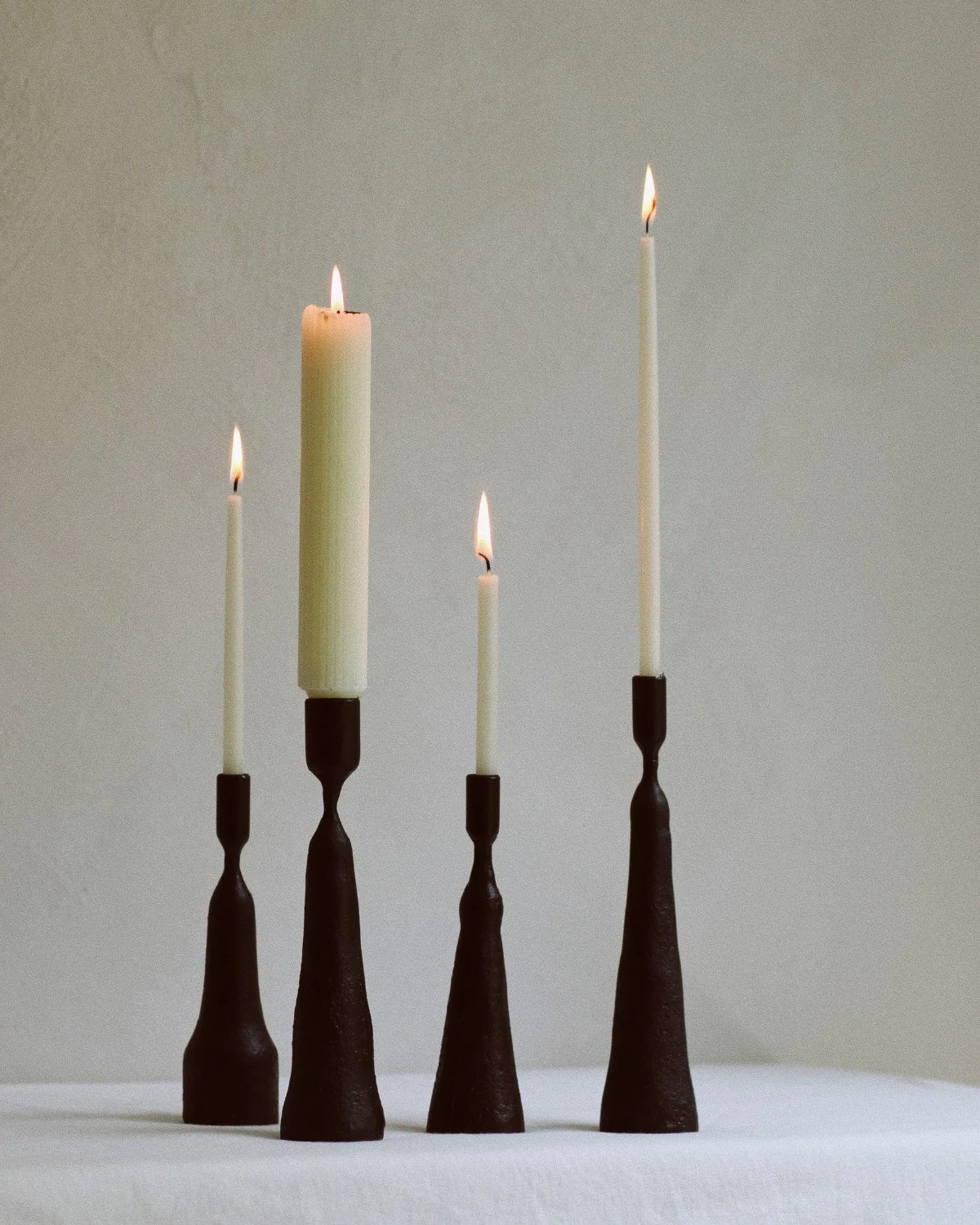
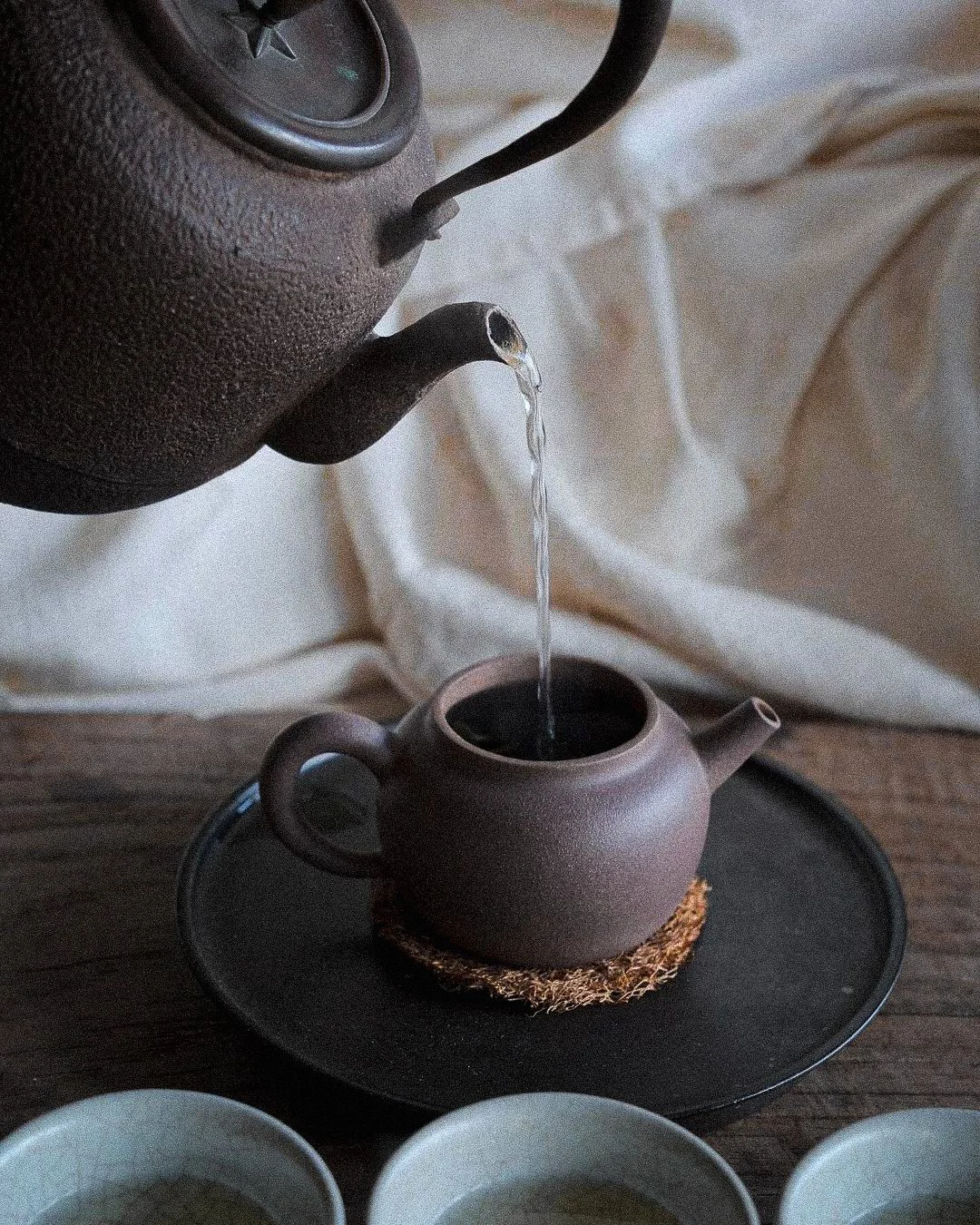
Objects set the tempo of use. A ceramic teapot on a tray makes tea the default rather than the exception. A stack of books on a low shelf invites the hand. Matches live beside tapers so evening light becomes a habit. These placements do not stage a life. They support the one you live. October rewards the visible tool, the reachable cup, the blanket within arm’s length. When objects are ready, intention holds with less effort.
Clothing participates in this design of the day. Boots that meet rain and pavement without complaint. A coat with structure that calms posture. Knitwear that sits close without weight. Comfort in dress is not the absence of form. It is form that agrees with purpose. You choose what supports movement through the city and you wear it often. Repetition removes friction and creates a felt sense of ease from morning to night.

Culture can nurture when chosen with care. Select one evening that matches the season’s slower tempo. A gallery in Fitzrovia with dimmer hours. A small cinema with velvet seats. A book launch in a quiet room where voices do not echo. Entering a space that respects attention extends the feeling of home outward. You are still in the city, yet you are held by it. That is psychological comfort as civic design.
Wellness becomes less about optimisation and more about assurance. A warm bath under a single lamp closes the distance between day and night. Tea at nine replaces restless scrolling. Light stretching draws a line under the hours that came before. Ritual communicates safety because it makes an outcome feel predictable. Build small anchors in the same order each evening and the mind will meet them with gratitude.
Finally, design the threshold of return. Hang a single hook for the coat you wear most. Place a tray for keys and headphones. Keep a towel by the door for wet shoes. Write tomorrow’s note on a card and leave it beside a pen. You are staging ease for your future self. By the end of October the accumulative effect is unmistakable. The house, the outfit, the calendar, and the city form a net that holds you.
All of this points to a simple method for designing psychological comfort. Choose one light source for evening and make it consistent. Choose one scent and let it mark arrival. Keep tools visible for the rituals you want and store away the ones you do not. Buy less but buy what touches skin and space with care. Reduce the calendar until every plan feels spacious. Let sound be warm and low. Keep colour honest and grounded. Then repeat calmly. The practice becomes a climate you can rely on. October is the month when assurance becomes design. You notice the way the room holds you. You notice the city answering back with quiet spaces. You notice that comfort is not a mood that comes and goes. It is a structure you build and keep. For winter.
Comfort is a structure that teaches the body to rest.
Download Field Guide Issue I: Autumn Rhythm, before the archive closes.